The ONE CHILD Advocacy
The SIMPLE plan to ERADICATE the Foster Care System, first in Nashville and then the state!
This is a simple plan that involves the Church in a practical way to partner with the Department of Child Protection Services and the interested families together. “The One Child”, a non-profit organization that partners with the said church, however removes the responsibility of implementation from the Administration of the individual Corporate Church. This allows “The One Child” to bring the necessary resources and training to the families that have a heart for these children.


Awareness
Introduction to how the process works and the requirements necessary for the family to move through the process.
Equipping
Providing training for the interested families with the DCPS. Based on the availability of training we will have weekend or weekly training dictated by the trainer.
Support
We will work with the Church body to recruit volunteers that are interested in supporting those that are Fostering. This will be called the Wrap Around Program and have a variety of support depending on the individual needs of the family i.e. respite care, meal trains, baby sitting, house care.
Continual education and support groups are necessary for the success and navigation for this delicate balance of traumatized children folding into a loving healthy environment
Counseling
Phase One
Aging-Out Youth Housing & Healing Community
Phase Two
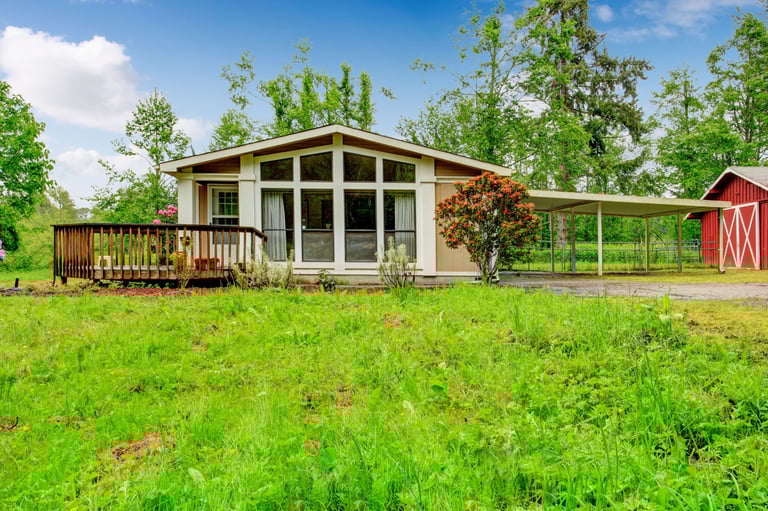
Each year, hundreds of young people age out of the foster care system with no permanent family, no stable housing, and limited life skills. Phase 2 of THE ONE CHILD exists to ensure these young adults are not forgotten.
The Aging-Out Youth Housing Project is a residential, therapeutic, and vocational community designed to bridge the gap between foster care and independent adulthood. Located in Central Tennessee and serving the Nashville, Franklin, and Columbia areas, this project provides a safe, structured environment where former foster youth can heal from trauma, gain practical skills, and build sustainable futures.


At the heart of Phase 2 is stable housing. The project will include a main residence housing 8–12 young adults, with additional transitional housing and future tiny homes that support increasing levels of independence. Residents move through stages—from supervised communal living to semi-independent housing—while learning essential life skills such as budgeting, cooking, employment readiness, and healthy relationship building.
A Safe Place to Land
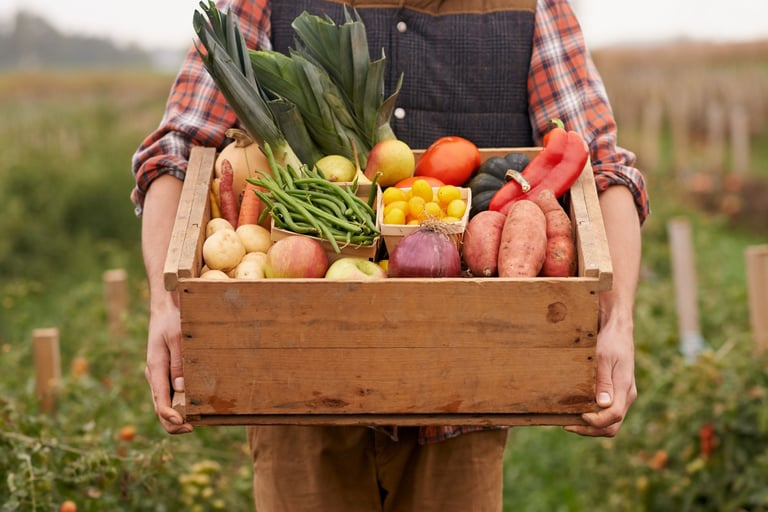
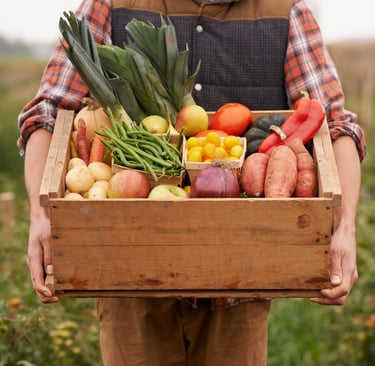
Healing is most effective when paired with purpose. Residents will participate in a working farm and orchard, gaining vocational training through hands-on agricultural work and a farm-to-table commercial kitchen. Through culinary training, catering, and café operations, youth develop job skills, work ethic, and confidence while contributing meaningfully to the community.
Healing Through Purposeful Work
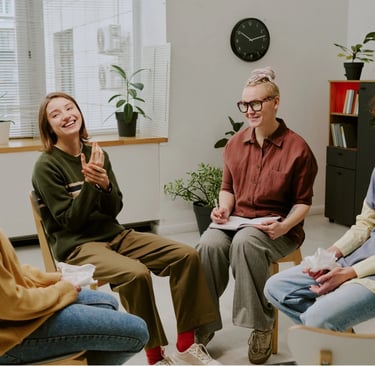
Trauma-Informed Therapeutic Support
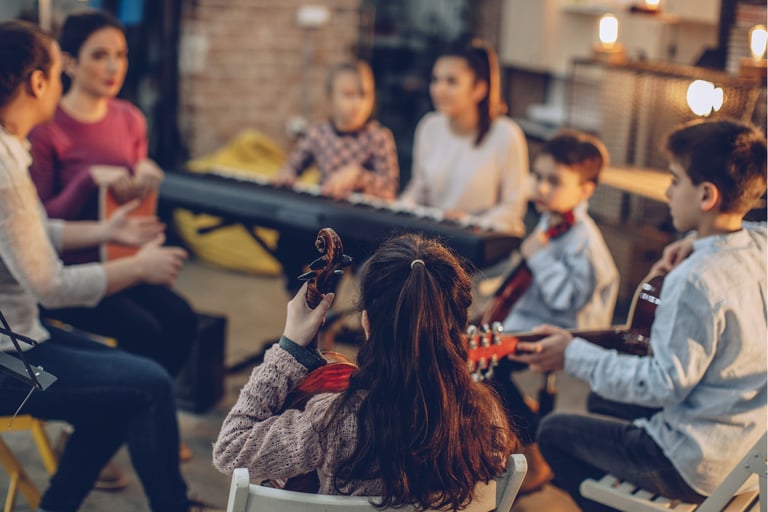
Phase 2 is rooted in trauma-informed care. The community integrates therapeutic services such as equine therapy, music therapy, art therapy, and recovery-based support for substance abuse. These programs provide healthy emotional outlets, promote mental wellness, and help residents replace destructive coping mechanisms with restorative practices.
Community & Recovery Focus
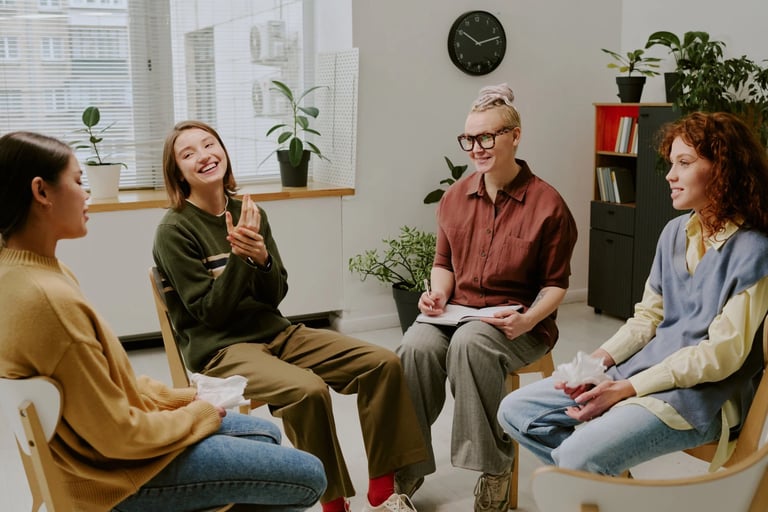
Residents are supported by trained staff, counselors, and community partners who walk alongside them during this critical transition. The program emphasizes accountability, recovery, and personal development while fostering long-term relationships with mentors, churches, volunteers, and local businesses. These connections help ensure stability well beyond a resident’s time on the property.
A Sustainable Model for Lasting Impact
Phase 2 is designed for long-term sustainability. Revenue from agricultural products, catering services, and partnerships with local employers supports ongoing operations, while grants and donations allow for growth and expansion. Most importantly, the project produces measurable outcomes: reduced homelessness, improved employability, emotional healing, and young adults equipped to thrive independently
Phase 2 of THE ONE CHILD is more than housing—it is a pathway to wholeness, dignity, and hope for young adults who deserve a future.
executive director
theonekjanson@gmail.com
617-823-0320
Kathleen Janson
www.theonechild.org